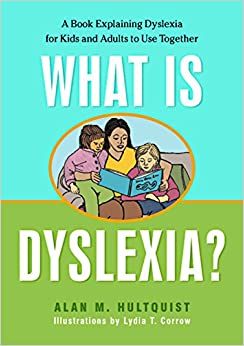
The word dyslexia comes from the Greek words dys, meaning difficulty, and lexia, meaning language. The National Institutes of Health estimates that 15% of the American population is affected by dyslexia. Dyslexia is not a result of lack of motivation, sensory impairment, inadequate instructional or environmental opportunities, or other limiting conditions, but may be made worse by these conditions.
Dyslexia is a specific learning disability that is neurological in origin. It is characterized by difficulties with accurate and/or fluent word recognition and by poor spelling and decoding abilities. These difficulties typically result in problems with reading comprehension and reduced reading experience that can impede growth of vocabulary and background knowledge. (Definition from the National Institutes of Child Health and Human Development; adopted by the International Dyslexia Association).
Although dyslexia is the result of a neurological difference, it is not an intellectual disability. Dyslexia is diagnosed in people of all levels of intelligence, average, above average, and highly gifted. In her book, Sally Shaywitz describes what she calls the paradox of dyslexia:
…seemingly diverse symptoms-trouble reading, absolute terror of reading aloud, problems spelling, difficulties finding the right word, mispronouncing words, rote memory nightmares-represent the expression of a single, isolated weakness. At the same time you will learn that other intellectual abilities-thinking, reasoning, understanding-are untouched by dyslexia. This contrasting pattern produces the paradox of dyslexia: profound and persistent difficulties experienced by some very bright people in learning to read.
(From Overcoming Dyslexia by Sally Shaywitz, M.D.)
The following two videos, created by Sun Prairie Cable Access, were filmed to increase dyslexia awareness. You will need Quicktime installed on your computer to view the video files. Download it for free here: www.apple.com/quicktime/download.